
Hi, I’m
David Hodge
I teach guitar, ukulele, bass, piano and other instruments, as well as songwriting and music theory. I give private lessons at my home in Egremont, Massachusetts and also teach group classes at the Berkshire Community College.
Online Classes
Group Zoom classes for March / April 2023!
It’s time to get prepared for summer jams! The new session (March / April) starts on February 28 (a week from Tuesday) and run through April 27.
We’ll be playing songs to get prepared for summer campfires and parties. Lots of old favorites and maybe some that will become favorites as well so you can be ready to play along in a few short months.
Line up is as follows:
TUESDAYS:
Continuing Guitar (&12 String Guitar) Workshop (Tuesdays 5:45 – 7:00)
(nine total classes – classes run February 28 through April 25)
$150 ($75.00 per month)
WEDNESDAYS:
Riff by Riff (Wednesdays 5:15 – 6:15)
(nine total classes – classes run March 1 through April 26)
$150 ($75.00 per month)
Basic Finger Style Guitar Vocabulary (Wednesdays 6:30 – 7:30)
(nine total classes – classes run March 1 through April 26)
$150 ($75.00 per month)
THURSDAYS:
(kind of) Absolute Beginners’ Guitar (Thursdays 5:15 – 6:15)
(nine total classes – classes run March 2 through April 27)
$150 ($75.00 per month)
Jam Prep Workshop (Thursdays 6:30 – 7:45)
(nine total classes – classes run March 2 through April 27)
$160 ($80.00 per month)
If you’re interested, or have any questions at all just drop me a line at dhodgeguitar@aol.com or call me directly at (413)717-1996.
As always, I am taking on new students (both online and one-on-one-in-person lessons!) should you be interested. Just email or call and we can discuss what your objectives are.
Also, please feel free to share this with anyone you think may be interested.
I look forward to sharing music with you all once more.
Wishing you the best throughout 2023!
Stay well.
Peace
David
Discover Guitar
Music theory is often considered a difficult subject. “Idiot’s Guides: Guitar Theory” breaks down music theory for guitar and other fretboard instruments in very simple and easy-to-understand lessons. Content includes everything a budding musician needs to know about notes, guitar tablature, rhythm, chords and scales, and more.
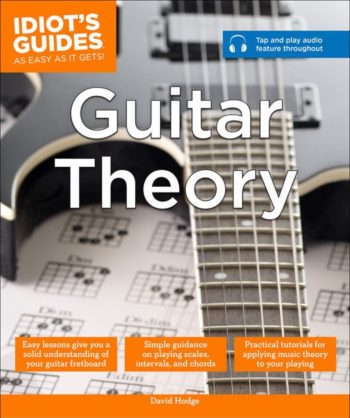
To date I’ve written seven Idiot’s Guide books. The most recent is Idiot’s Guide: Guitar Theory which came out in 2014.
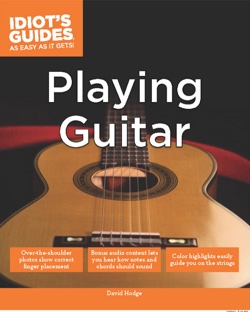
Idiot’s Guide: Playing Guitar
Idiot’s Guides: Playing Guitar begins with an introduction to different types of guitars and their parts, followed by helpful information on how to choose a guitar.
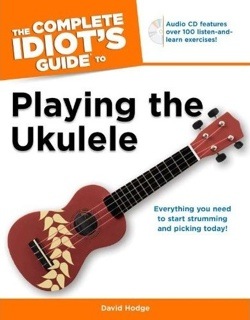
The Complete Idiot’s Guide to Playing Ukulele
This book covers in crystal clear detail everything beginners need to know to enjoy playing this tiny, four-stringed instrument.
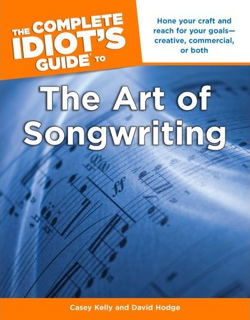
The Art of Songwriting
with Casey Kelly
Beginning songwriters can hit the right note by starting out with the basics in this guide.
Complete Idiot’s Guide to Guitar
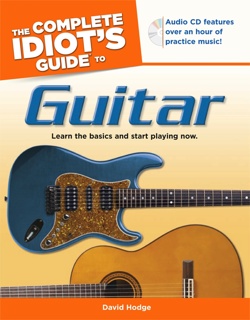
The Complete Idiot’s Guide to Guitar starts at the very beginning with learning how to hold the instrument and covers everything from reading tab, chords, and strumming to playing the blues and rock riffs.
The Complete Idiot’s Guide to Playing Rock Guitar
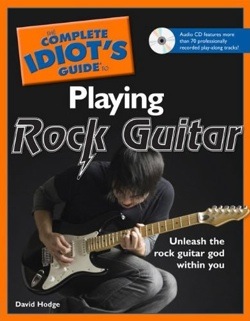
The Complete Idiot’s Guide to Playing Rock Guitar is for the beginner guitarist who wants to get up to speed quickly playing rock music.
The Complete Idiot’s Guide to Playing Bass Guitar
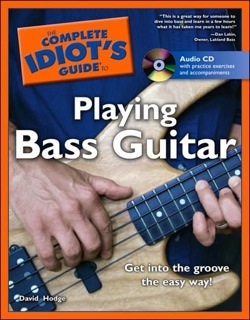
The Complete Idiot’s Guide to Playing Bass Guitar provides a complete instruction program for beginners and helps walk even experienced guitarists through the most confusing concepts.
Get In Touch
We can meet online (via Skype, Face Time, or Zoom) for a private session. I’m more than happy to work with you to improve your guitar playing.